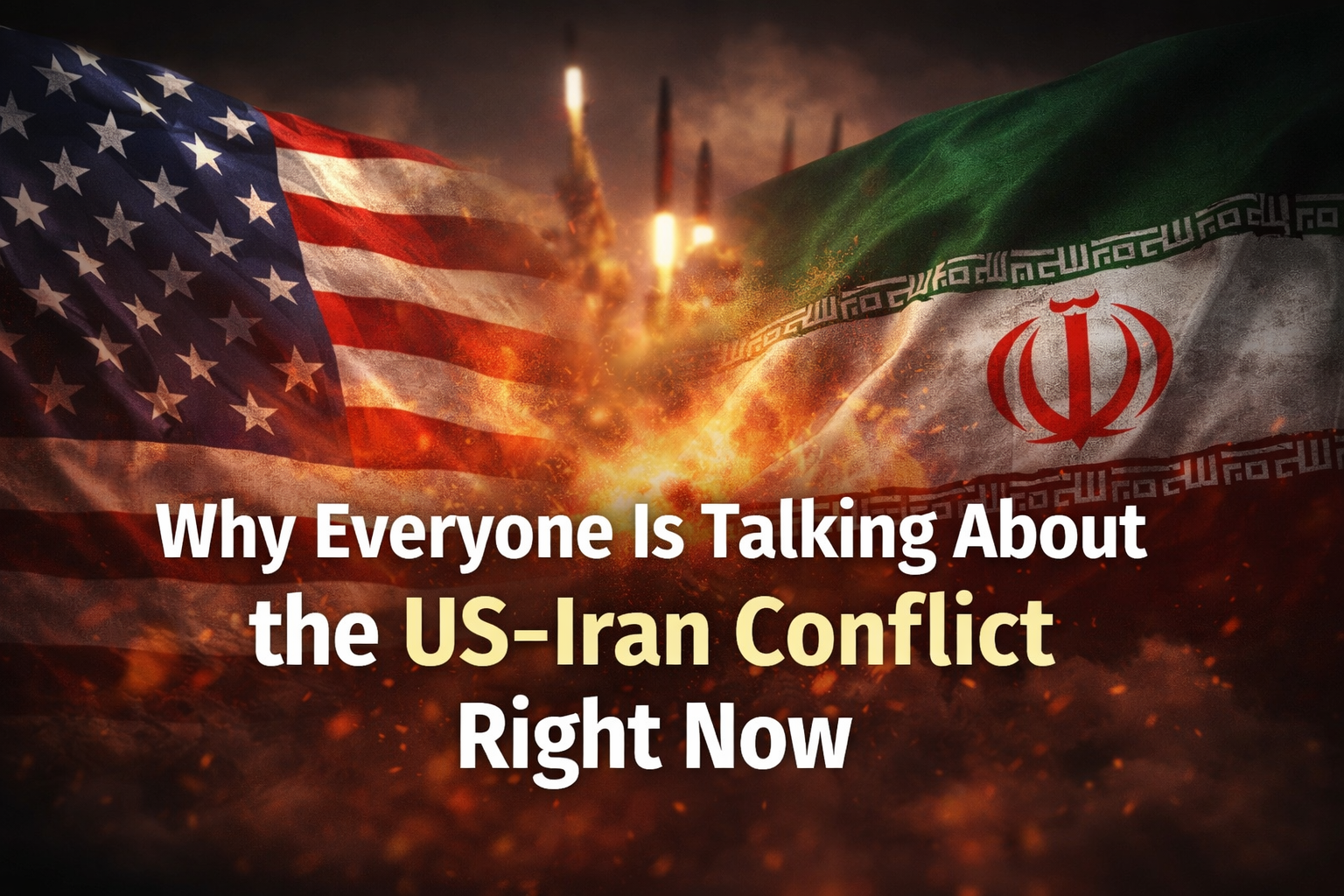
The situation between the United States and Iran has quickly become one of the most talked-about issues in the world. What started as rising tension has now turned into a serious conflict with global consequences, and people are paying attention because it is no longer just about politics, it is about the economy, safety, and everyday life.
What’s happening right now
The conflict has seen direct military actions, including large-scale strikes and retaliation from both sides. Earlier this year, US and allied forces launched major attacks targeting Iranian military infrastructure, which led to strong responses from Iran, including missile and drone strikes across the region.
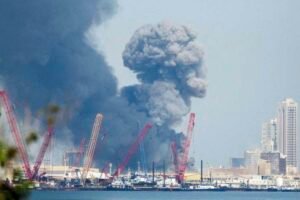
Recently, there has been a temporary pause in fighting, with both sides agreeing to a short-term ceasefire. However, the situation remains unstable, and tensions are still high.
Even with the ceasefire, attacks and threats have not fully stopped, which is why many experts are calling it a “fragile” situation rather than a real resolution.
Why this conflict is getting so much attention
One of the biggest reasons this conflict is trending is because it affects the entire world, not just the Middle East. The region is critical for global oil supply, and disruptions there immediately impact fuel prices and markets.
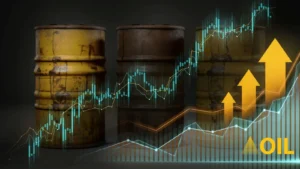
During the conflict, key oil routes like the Strait of Hormuz were affected, which caused global concern about energy supply.
Whenever oil supply is at risk, markets react quickly. That is why people are seeing changes in gas prices and overall costs, even if they are far from the conflict zone.
The human impact behind the headlines
Beyond politics and economics, the conflict is having a real human cost. Thousands of people have been affected, including civilians caught in the middle of the situation.
Reports indicate significant casualties and damage to infrastructure, including homes, hospitals, and essential services.

In Iran, many civilians are dealing with fear, disruption, and uncertainty. Daily life has become more difficult due to damaged infrastructure, limited communication, and economic pressure.
At the same time, people in the United States are feeling indirect effects. Rising fuel prices, increased cost of goods, and economic uncertainty are all linked to what is happening overseas.
Why the situation still feels uncertain
Even though there are ongoing talks and temporary agreements, the conflict is far from resolved. Both sides have different demands, and there is no clear long-term solution yet.
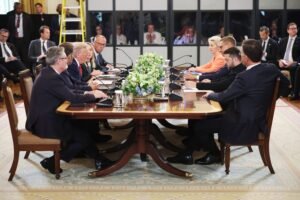
Diplomatic efforts are continuing, with multiple countries trying to mediate and prevent further escalation. However, the fact that military actions have not completely stopped shows how fragile the situation is.
This uncertainty is one of the main reasons the topic is dominating global conversations.
What it means for everyday people
For most people, the impact is not about military strategy, it is about daily life. Higher gas prices, rising living costs, and economic instability are the most immediate effects.
Businesses may face higher operating costs, which can lead to increased prices for consumers. Travel and transportation may also become more expensive.
There is also a broader sense of concern. When global tensions rise, people start thinking about long-term stability, jobs, and the future.
The reason this conflict is getting so much attention is simple, it connects global politics with real-life impact. It is not just about two countries; it is about how their actions affect the world.
Right now, the situation remains uncertain, and that is exactly why people are watching it so closely.